
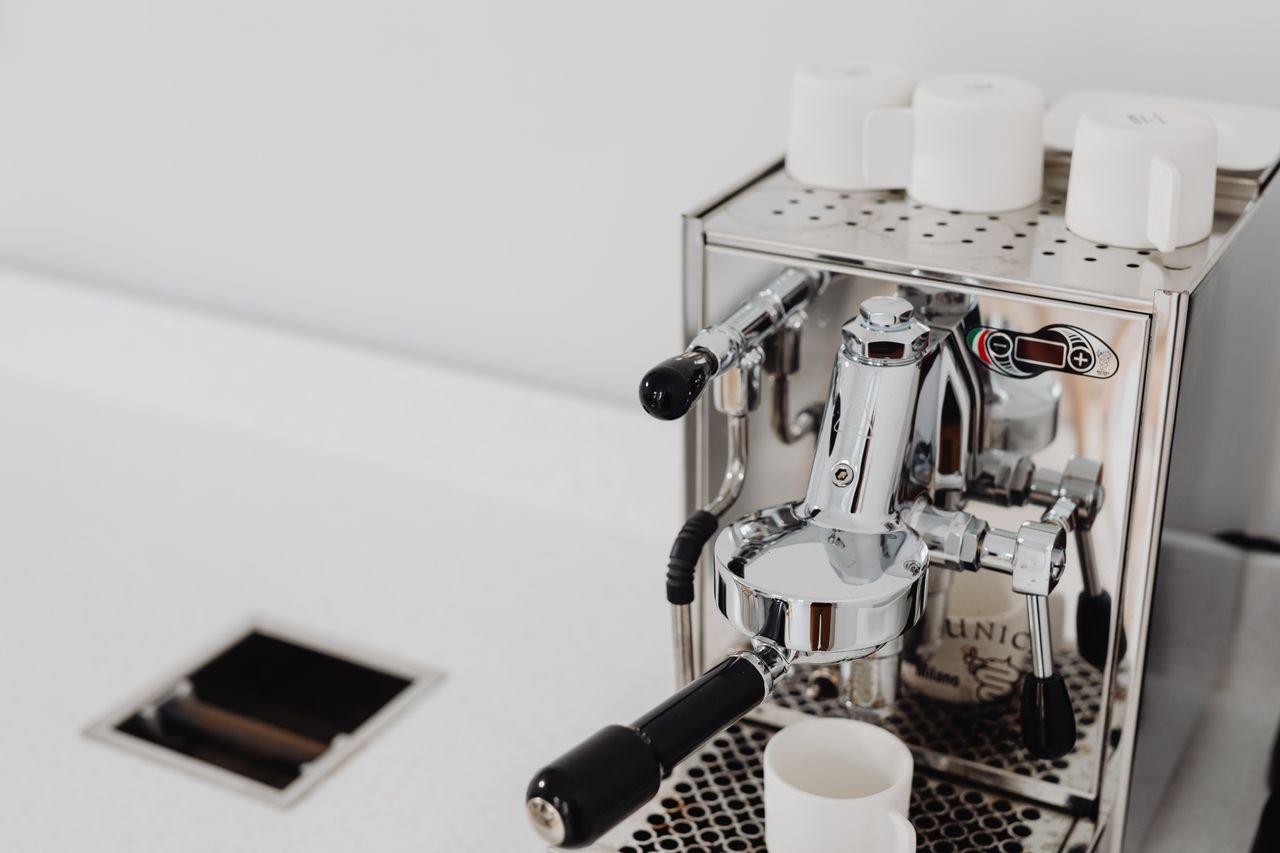
Let’s start with something most coffee guides won’t say out loud: you do not need to spend $1,000 or more to brew genuinely great espresso at home. That number gets thrown around a lot, and it’s true that professional-grade equipment offers certain advantages. But under $500, there are machines that produce espresso with real depth, proper crema, and enough consistency to make your morning routine feel like something worth looking forward to.
This is the price range where thoughtful engineering meets everyday practicality. The machines here aren’t stripped-down compromises. They are well-built, capable tools designed for people who care about what’s in their cup. Whether you’re pulling your first-ever shot or you’ve been chasing the perfect extraction for years, there’s something in this guide for you.
Let’s get into it.
What to Look for Before You Buy
Shopping for an espresso machine can feel overwhelming fast. There are dozens of brands, hundreds of models, and no shortage of technical jargon. So before we talk about specific picks, it helps to understand the few things that actually matter.
Pressure and how the machine manages it. Good espresso needs around 9 bars of pressure during extraction. Many machines advertise 15 or even 20 bars, which sounds impressive but can be misleading. What matters is how the machine regulates that pressure at the group head, where water meets coffee. A machine that delivers stable, well-controlled pressure produces balanced, smooth espresso. One that doesn’t produces shots that are harsh, sour, or flat.
Temperature stability. Water temperature during extraction has a direct impact on flavor. Too hot and the coffee tastes bitter. Too cool and the extraction is weak and sour. A machine that holds temperature consistently shot after shot gives you reliable, repeatable results. This is one of the clearest quality differences between budget machines and those in the $200 to $500 range.
The steam wand. If you enjoy milk-based drinks like lattes or cappuccinos, pay close attention to the steam wand. Some machines include a Panarello-style wand that auto-froths milk with minimal effort. Others have a traditional barista wand that requires technique but rewards you with silky, textured microfoam. Neither is wrong, but knowing which one a machine has will save you from disappointment later.
Your current skill level. This might be the most honest factor to consider. Some machines in this price range are designed to get out of your way and make good espresso happen automatically. Others are built for people who enjoy learning and dialing in their craft. Both are valid approaches, and this guide covers both ends of that spectrum.
The Best Espresso Machines Under $500
Breville Bambino Plus, Best for Beginners Who Want Great Results Fast
The Breville Bambino Plus is, without much debate, one of the best espresso machines available in its price range. It has earned that reputation through consistent performance, smart design choices, and a user experience that genuinely respects your time.
The headline feature is its ThermoJet heating system, which reaches brewing temperature in just three seconds. That’s not a marketing claim padded with asterisks. It’s genuinely fast, and it matters on rushed weekday mornings when you don’t have five minutes to wait for your machine to warm up. Once at temperature, it delivers a steady 9 bars of pressure and maintains water temperature accurately throughout extraction.
What really sets the Bambino Plus apart at this price point is its automatic steam wand. You set the milk temperature and texture you want, and the machine handles it. For anyone who has ever struggled to steam milk manually and ended up with a hot, bubbly mess instead of smooth microfoam, this feature alone is worth the price. It doesn’t lock you in either. You can switch to manual mode when you’re ready to practice your technique.
Compact, clean, and beautifully designed, the Bambino Plus is a machine that makes quality espresso accessible without making you feel like you’re cutting corners. It’s the right starting point for most people.
De’Longhi Dedica EC685, Best for Small Kitchens and Flexible Brewing
Not everyone has a sprawling kitchen counter. If space is a real constraint in your home, the De’Longhi Dedica EC685 deserves serious attention. It’s one of the slimmest espresso machines on the market, measuring just under six inches wide, and it fits neatly into corners and small spaces without sacrificing meaningful capability.
The Dedica heats up quickly via a thermoblock system and offers a nice touch of flexibility: it accepts both ESE (Easy Serve Espresso) pods and regular ground coffee. On mornings when you’re running late, a pod is fast and completely reliable. On weekends when you have more time, fresh ground coffee rewards you with noticeably richer flavor. Having both options at your fingertips is genuinely useful.
The machine uses a pressurized portafilter, which means it’s more forgiving with coarser grinds and less fussy about tamping technique. This makes it a great first machine for someone who hasn’t yet invested in a burr grinder. As your coffee knowledge grows, some experienced drinkers find the pressurized system slightly limiting, but the Dedica delivers consistently enjoyable espresso well within its price range. Slim, smart, and honest about what it is, it’s a reliable daily driver for compact kitchens.
Gaggia Classic Pro, Best for the Aspiring Home Barista
The Gaggia Classic Pro is something of a legend in the home espresso world. It has been refined over decades, and its reputation among serious coffee enthusiasts is built on one simple fact: it produces genuinely great espresso and teaches you real skills in the process.
One of its most notable features is its 58mm commercial-sized portafilter. This is the same standard used in professional café equipment, and it opens up a world of accessories, precision tampers, and better puck preparation tools. It signals clearly that the Gaggia Classic Pro isn’t just an appliance. It’s a real espresso platform designed to grow alongside your skills.
The traditional single-hole steam wand requires practice to use well. But once you develop the technique, you can produce smooth, dense microfoam that makes genuinely beautiful lattes and cappuccinos. The machine also includes a three-way solenoid valve, which releases pressure after each shot and keeps the coffee puck dry. It’s a small detail that makes cleanup easier and extraction more consistent over time.
Be honest with yourself here: the Gaggia Classic Pro has a learning curve. It rewards patience and curiosity. If you’re the kind of person who enjoys the process of getting good at something, this machine will give you years of satisfaction. If you just want a button that makes coffee, look at the Bambino Plus instead. Both are excellent machines for different kinds of people.
Breville Infuser BES840, Best for Those Who Want Control Without the Complexity
The Breville Infuser sits in an interesting and genuinely useful middle ground. It offers more control and capability than beginner-friendly machines, but it doesn’t throw you into the deep end the way a fully manual setup might. For someone who has outgrown their starter machine and wants to take their espresso more seriously without a steep relearning curve, it’s a compelling choice.
The standout feature is pre-infusion. Before the full extraction begins, the machine gently wets the coffee grounds at low pressure, allowing them to bloom and expand evenly before the real extraction kicks in. The result is a more balanced, nuanced shot with less channeling and better flavor clarity. Pre-infusion is a feature you’d normally expect from machines costing significantly more, and the Infuser delivers it reliably every time.
You also get manual temperature adjustment, which lets you fine-tune extraction based on the roast level of your coffee. Light roasts tend to extract better at higher temperatures. Dark roasts often shine at slightly cooler settings. Having that control without needing to modify or hack the machine is a meaningful advantage for anyone who buys from multiple roasters or enjoys experimenting with different coffees.
The Breville Infuser is approachable enough for a determined beginner but capable enough to satisfy a seasoned home barista for years.
Which Machine Is Right for You?
Here’s a straightforward way to think through the decision.
If you are new to espresso and want great results with minimal effort, start with the Breville Bambino Plus. It’s fast, consistent, and the automatic steam wand removes one of the biggest frustrations beginners face. You’ll be pulling solid shots within your first week.
If space is a genuine concern and you want a machine that works with both pods and ground coffee, the De’Longhi Dedica EC685 is slim, flexible, and built to last. It’s a quiet performer that doesn’t demand much from you.
If you’re ready to invest in learning real espresso technique and want a machine that will reward that investment for years, the Gaggia Classic Pro is the most satisfying long-term choice in this price range. It takes espresso seriously, and it expects you to as well.
And if you sit somewhere between beginner and enthusiast and want meaningful control without a painful learning curve, the Breville Infuser hits a sweet spot that’s genuinely hard to argue with.
Final Thoughts
There’s something deeply satisfying about pulling a great shot of espresso in your own kitchen. The right machine makes that a realistic, everyday experience rather than a weekend project. And under $500, you have more than enough options to find one that fits your lifestyle, your skill level, and the way you like to start your mornings.
You don’t need the most expensive machine. You need the right one. Any of the four picks in this guide will serve you well, and all of them are capable of producing espresso that genuinely competes with what your favorite café is serving.
Take your time, trust your instincts, and go make something worth drinking.