
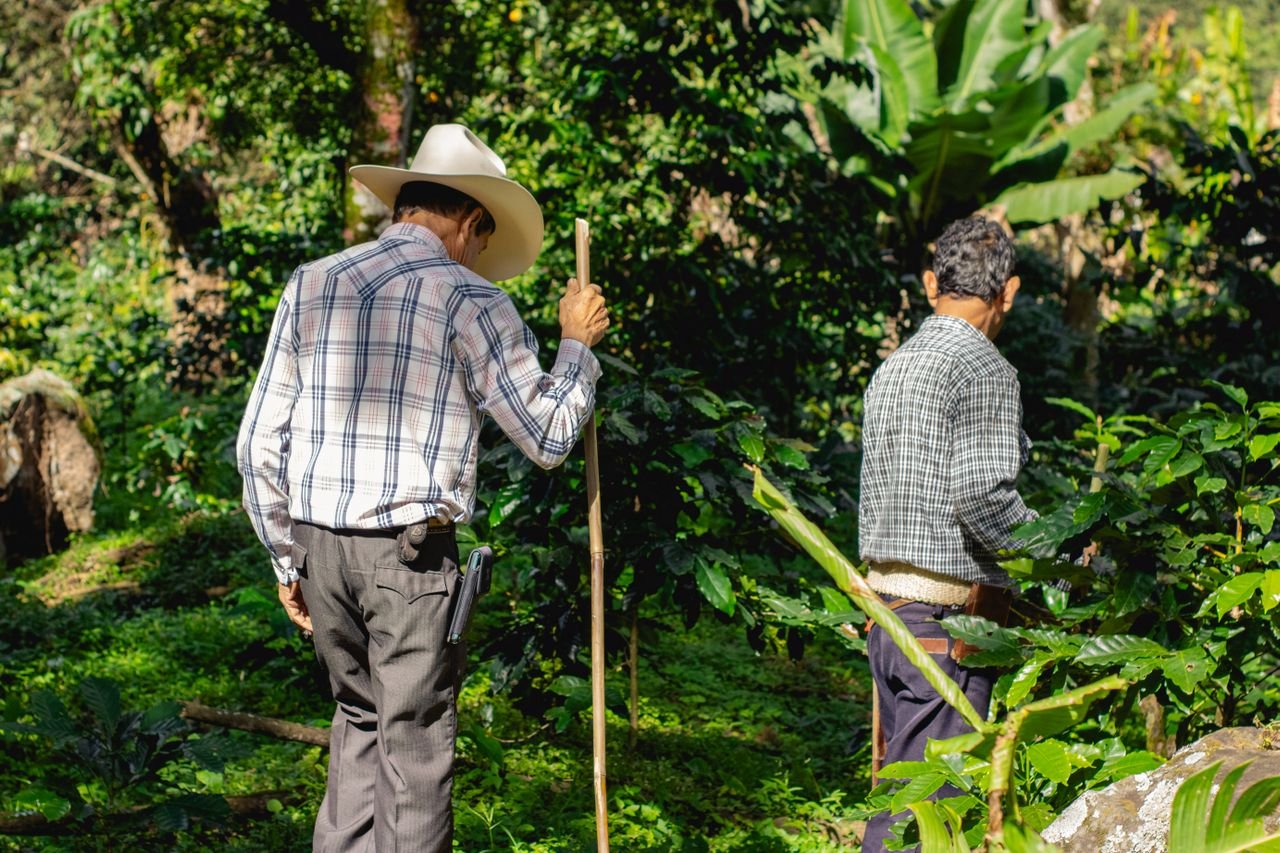
If you drink coffee every morning, you probably don’t think much about where it came from before it reached your cup. Most of us don’t. We think about the aroma, the first sip, maybe the caffeine kicking in. But behind every bag of coffee beans is a farm, a set of soil, and a farmer making decisions that affect far more than just flavor.
Lately, you may have seen the term “regenerative coffee farming” popping up on packaging or in coffee shop menus. It sounds good. It sounds responsible. But what does it actually mean, and is it just another marketing buzzword, or something that genuinely matters?
Let’s break it down in plain terms.
What Regenerative Farming Actually Means
Regenerative farming is a way of growing crops that focuses on rebuilding the health of the land, not just maintaining it. The goal isn’t simply to avoid harm. The goal is to leave the soil, the ecosystem, and the surrounding environment better than they were before.
This is different from “sustainable” farming, which usually aims to keep things stable and prevent further damage. Regenerative farming goes a step further. It asks: how can we actually improve the land while we farm it?
For coffee, this means practices like planting shade trees alongside coffee plants, allowing natural plants and insects to thrive instead of clearing everything for maximum yield, composting organic waste instead of relying only on chemical fertilizers, and rotating or diversifying crops so the soil doesn’t get exhausted. Farmers might also let fallen leaves and plant matter decompose naturally, feeding the soil the way a forest floor feeds itself.
None of this is new, actually. In many ways, it’s closer to how coffee was traditionally grown decades ago, before large scale monoculture farming became common. Regenerative farming is, in a sense, a return to older wisdom, combined with modern understanding of soil science and ecology.
Why Coffee Farming Needs This Shift
Coffee is a demanding crop. It’s often grown in large, single crop plantations that strip nutrients from the soil over time. Add in the effects of climate change, unpredictable rainfall, rising temperatures, and shifting growing seasons, and many coffee farms are struggling to stay productive.
Some coffee growing regions have already seen real drops in yield because the soil is worn out and the climate no longer matches what coffee plants need. This isn’t a distant, abstract problem. It affects real farmers, real communities, and eventually, the price and quality of the coffee you buy.
Regenerative farming addresses this at the root, literally. Healthier soil holds water better, which helps during droughts. It supports more biodiversity, which naturally keeps pests in check without relying heavily on pesticides. It also tends to store more carbon, which plays a small but meaningful role in fighting climate change.
In short, regenerative practices aren’t just good for the planet in a general sense. They’re good for the long term survival of coffee farming itself.
What This Means for the Taste in Your Cup
Here’s where it gets interesting for coffee lovers specifically. Healthier soil tends to produce healthier coffee cherries, and healthier cherries often mean more complex, more balanced flavor in the final cup.
This isn’t guaranteed every single time, since flavor depends on many factors including variety, altitude, processing method, and roasting. But many farmers and roasters who’ve shifted toward regenerative methods report that their coffee develops richer, more distinct characteristics over time, as the soil recovers and the plants become naturally more resilient.
So this isn’t only an environmental story. It’s also a quality story. When the land is cared for properly, it tends to reward you back, both in the cup and in the long run.
Why It Matters Beyond the Farm
There’s also a human side to this. Coffee farming supports millions of families around the world, many of them smallholder farmers who depend entirely on their land for income. When soil becomes degraded and yields drop, farmers face real financial pressure. Some are forced to abandon coffee farming altogether and switch to other crops or leave their land entirely.
Regenerative farming, when supported properly, can help stabilize this. Healthier land means more consistent yields over time, which means more stable income for farming families. It’s not a quick fix, and it requires investment, patience, and often training and support from buyers, cooperatives, or certification programs. But the long term payoff, for both the land and the people who depend on it, can be significant.
Is It Perfect? Not Quite
It’s worth being honest here. Regenerative farming isn’t a magic solution, and it isn’t formally standardized the way organic certification is. Different farms and companies may define it slightly differently, which means it’s smart to ask questions rather than assume every bag labeled “regenerative” meets the same bar.
Transitioning to regenerative methods also takes time, sometimes several years, before the soil fully recovers and benefits become clear. It requires real commitment from farmers, and often financial support from the companies that buy their coffee, since the transition period can temporarily reduce yields before it improves them.
Still, even with these challenges, the direction matters. Regenerative farming represents a shift away from short term extraction and toward long term care, which is something coffee farming genuinely needs right now.
Why This Should Matter to You
You don’t need to become an expert in soil science to care about this. As a coffee drinker, understanding regenerative farming gives you a clearer picture of what’s actually behind your daily cup, and why some coffee costs more or tastes different than others.
It also gives you a way to support farming practices that aim to last, not just for this season, but for decades to come. Every cup of coffee connects back to a piece of land somewhere, and how that land is treated matters, both for the people who depend on it and for the coffee itself.
So next time you see “regenerative” on a coffee bag, you’ll know it’s not just a trendy word. It represents a genuine effort to farm coffee in a way that gives back as much as it takes, and that’s something worth paying attention to.