
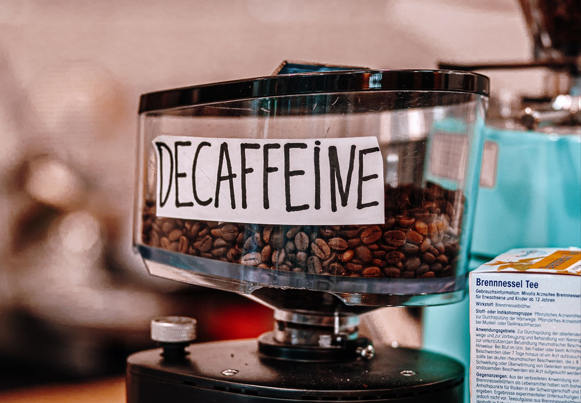
For a long time, decaf was the coffee nobody wanted to admit they were drinking. It sat at the bottom of the menu, brewed in a pot nobody refilled, ordered in a slightly apologetic tone. If you asked for decaf at a party, someone probably joked that you were not a “real” coffee drinker. That reputation was never fair, and now it is finally starting to fade.
Something has shifted. Specialty coffee shops are putting decaf front and center. Roasters are treating it with the same care they give their prized single origin beans. People are choosing decaf not because they have to, but because they want to. It is a quiet change, but it says a lot about how our relationship with coffee is evolving.
The Old Reputation Decaf Could Not Shake
Decaf earned its bad name honestly, at least at first. Early decaffeination methods often used harsh chemical solvents that stripped away flavor along with the caffeine. The result was a flat, papery cup that tasted more like an idea of coffee than the real thing. People noticed, and the stigma stuck around for decades, long after the process itself improved.
Because of that history, decaf became shorthand for “less than.” Less flavor, less energy, less reason to bother. Coffee culture, which prizes bold flavor and ritual, had little patience for a drink that seemed to offer neither. So decaf got pushed to the side, treated as a medical necessity rather than a real choice.
What Actually Changed
A few things happened at once. First, the science of decaffeination genuinely improved. Methods like the Swiss Water Process and the CO2 method now remove caffeine while preserving far more of the bean’s natural character. These processes do not rely on chemical solvents, and they let roasters work with high quality beans instead of leftover, lower grade lots that used to be reserved for decaf.
Second, people started paying closer attention to how caffeine actually affects them. More coffee lovers now care about sleep quality, anxiety, and simply not feeling wired all day. Cutting back on caffeine does not mean giving up the ritual of coffee, the smell of it brewing, or that first quiet sip in the morning. Decaf lets people keep the parts of coffee they love while skipping the parts that no longer serve them.
Third, and maybe most importantly, coffee culture itself matured. As more people learned to taste coffee the way they might taste wine, noticing acidity, body, and sweetness, it became obvious that a well made decaf could hold its own. Flavor stopped being something only caffeinated coffee could deliver.
It Is Not Just About Cutting Caffeine
People choose decaf for all sorts of reasons, and very few of them are about deprivation. Pregnant women want their coffee ritual without the caffeine risk. Parents want a calm cup after 2pm that will not keep them awake at midnight. People managing anxiety or heart conditions want the comfort of coffee without the jitters. Others simply enjoy the taste and want more of it throughout the day, without doubling their caffeine intake.
None of these are consolation prizes. They are real, thoughtful choices, and the coffee industry is finally starting to treat them that way. When a barista recommends a decaf pour over with genuine enthusiasm, rather than as an afterthought, it changes how the whole category feels.
How to Choose a Decaf You Will Actually Enjoy
If your only experience with decaf is a dusty bag from the back of a supermarket shelf, it makes sense that you are skeptical. The good news is that quality decaf is easier to find than ever. Look for beans that mention their decaffeination method on the bag, since roasters proud of the process tend to say so. The Swiss Water Process is a good sign, as is anything labeled CO2 processed.
Check the roast date too, the same way you would with regular beans. Freshness matters just as much for decaf, and a bag with no roast date is rarely a good sign. It also helps to buy from roasters who treat decaf as part of their regular lineup rather than a one off item they carry out of obligation. That usually means they are sourcing better beans and roasting them with real attention.
Brewing decaf is no different from brewing regular coffee. The same grind size, water temperature, and ratio rules apply, because the bean itself has not fundamentally changed, only its caffeine content has. Treat it with the same care you would any coffee you actually want to enjoy, and you will likely be surprised by the result.
Giving Decaf the Credit It Has Earned
Decaf is not a compromise, and it never really was one. It is a legitimate way to enjoy coffee that fits a wider range of lives, schedules, and health needs. The fact that it is finally getting better beans, better processing, and better attention is not a trend so much as a correction. Coffee lovers are simply catching up to what should have been obvious all along, that great coffee is about how it tastes and how it makes you feel, not how much caffeine it carries.
So the next time someone raises an eyebrow at your decaf order, you do not need to explain yourself. You are not missing out on anything. You are drinking coffee the way you actually want it, and that has always been the point.