
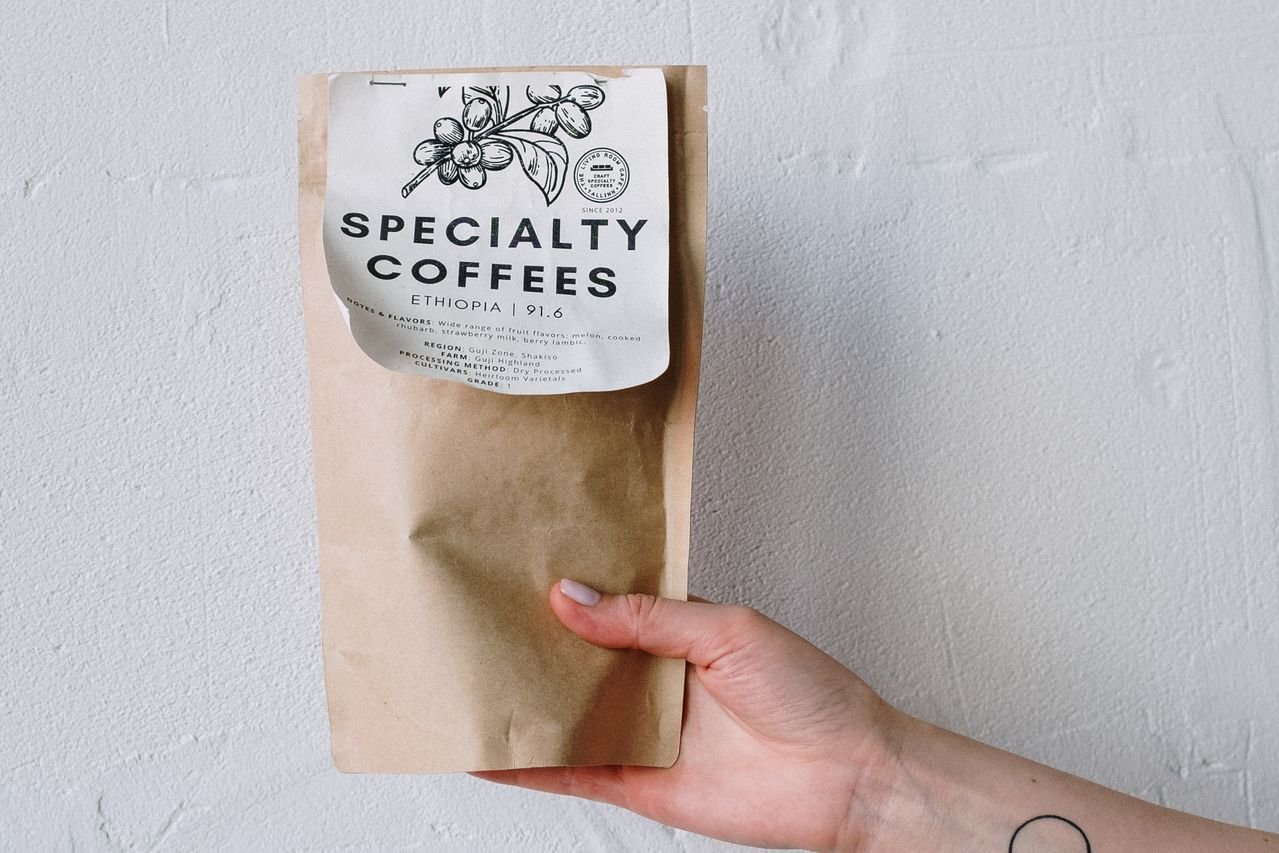
You pick up a bag of specialty coffee. It looks beautiful. The design is thoughtful, the paper feels intentional. Then you flip it over and read: “Notes of dried apricot, brown sugar, and jasmine with a winey, syrupy body.”
And your first thought is — wait, is this coffee or a dessert menu?
You are not alone. Most people feel a quiet confusion when they first encounter specialty coffee packaging. The vocabulary sounds poetic, maybe even pretentious. But here is the truth: those tasting notes are not there to impress you. They are there to help you. Once you understand what they actually mean and where they come from, reading a coffee bag becomes one of the most useful tools for finding a cup you will genuinely love.
Let’s walk through it together.
Where Do Tasting Notes Come From
First, let’s clear something up. Tasting notes are not invented by marketers sitting in a room trying to make coffee sound fancy. They come from a real process called cupping — a standardized method of evaluating coffee that professional tasters (called Q Graders) use around the world.
During cupping, trained professionals brew and taste coffees side by side, scoring them on aroma, flavor, aftertaste, acidity, body, balance, and more. The flavor descriptors they use come from a shared reference tool called the SCA Coffee Taster’s Flavor Wheel, which maps out hundreds of possible flavors found naturally in coffee — everything from floral and fruity to nutty, chocolatey, or even savory.
So when a roaster writes “notes of raspberry and dark chocolate” on the bag, they are telling you what their team actually detected during the evaluation process. They are translating a sensory experience into language. It is imperfect science, but it is honest work.
Why Does Coffee Have So Many Flavors in the First Place?
This is the part that surprises a lot of people. Coffee is one of the most chemically complex beverages on earth — it contains over 1,000 aromatic compounds. Compare that to wine, which has around 600. The flavors in your cup are shaped by an entire chain of decisions: the variety of the coffee plant, the altitude and climate where it was grown, how it was processed after harvesting, how long it was roasted, and how you brew it at home.
A natural-processed Ethiopian coffee from high altitude might genuinely taste fruity and floral because of the specific compounds produced during fermentation. A washed Colombian coffee from a volcanic region might taste clean and sweet with notes of caramel. These are not accidents or additions. They are the natural result of how the coffee was grown and handled.
When you read tasting notes, you are reading the result of all those decisions compressed into a few words.
Breaking Down What You See on the Bag
Most specialty coffee bags share a similar structure when it comes to information. Here is how to read each piece intelligently.
The Origin
Where a coffee comes from tells you a lot before you even brew it. Ethiopia is famous for bright, fruity, floral coffees. Colombia tends to produce balanced, sweet cups with gentle acidity. Sumatra often delivers earthy, full-bodied coffees with lower acidity. Brazil is known for its nutty, chocolatey, smooth profiles.
Think of origin as a broad signal — like knowing whether a wine is from Bordeaux or Tuscany. It does not guarantee a specific flavor, but it gives you a strong starting point.
The Process
After coffee cherries are harvested, the fruit must be removed from the bean. How this is done dramatically changes the final flavor.
Washed (or wet-processed) coffees have the fruit removed before drying. The result is typically a cleaner, brighter cup where the origin flavors of the bean shine clearly. You will often see descriptors like citrus, floral, or tea-like.
Natural (or dry-processed) coffees are dried with the fruit still on, which allows fermentation to happen. This produces more intense, complex, often fruity flavors. Think strawberry, blueberry, tropical fruit, or even wine-like notes.
Honey-processed coffees sit somewhere in between. The skin is removed but some of the sticky fruit mucilage is left on during drying. Expect sweetness, body, and a more rounded cup.
The Tasting Notes Themselves
This is where most people get confused, so let’s spend a moment here. Tasting notes describe the flavor experience you might notice in the cup. The key word is might. Your palate is personal. Your brewing setup matters. But the notes give you a directional expectation.
Notes are usually grouped into a few general families. Fruity notes (mango, peach, cherry, citrus) suggest a bright, lively cup with noticeable acidity. Sweet notes (caramel, brown sugar, honey, molasses) indicate a smooth, comforting, easy-drinking profile. Chocolatey or nutty notes (dark chocolate, hazelnut, almond) tend to be crowd-pleasers — familiar, satisfying, and low in acidity. Floral notes (jasmine, rose, lavender) are delicate and aromatic, often found in lighter-roasted East African coffees. Spice or herbal notes (cinnamon, cardamom, black tea) add complexity and depth.
If you are new to specialty coffee, start by paying attention to the general category rather than the specific descriptor. Does it sound fruity? Does it sound chocolatey? That is enough to know whether it might suit your taste.
The Roast Level
Roast level affects flavor more than most people realize. Light roasts preserve the original character of the coffee — they tend to be more acidic, more nuanced, and more aligned with the tasting notes on the bag. Medium roasts balance origin character with roast sweetness. Dark roasts develop bolder, more bitter flavors where the roast itself dominates over the bean’s natural character.
If you are buying specialty coffee specifically to explore tasting notes, lighter roasts will reward your curiosity more clearly.
A Practical Way to Start Tasting
You do not need to be a trained taster to develop your coffee palate. You just need to be a little intentional about it.
Before your first sip, smell the cup. Aroma carries a huge amount of flavor information. Then, as you drink, try to notice three things: what you taste first (the front palate), what you notice in the middle, and what lingers after you swallow (the finish). Over time, those three moments will start to align with what is written on the bag — and when they do, reading coffee labels becomes genuinely enjoyable.
You might not always taste the exact descriptor. Maybe the bag says “apricot” but all you notice is “something fruity and sweet.” That is perfectly fine. You are still engaging with the coffee in the right direction.
The Labels Are an Invitation, Not a Test
Here is the most important thing to take away from all of this. Tasting notes are not there to make you feel ignorant. They are not a quiz you need to pass before you are allowed to enjoy the coffee. They are an invitation into a conversation — between the farmer who grew it, the roaster who crafted it, and you, the person drinking it.
The more you engage with that conversation, the more you get out of every cup. And the more you understand what is written on the bag, the easier it becomes to find coffees that genuinely match what you are looking for.
So next time you pick up a bag and see “notes of blood orange, brown butter, and jasmine” — do not feel overwhelmed. Just think: sounds bright and floral, probably a light roast, probably fruity. That is already enough to make a confident, informed choice.
Coffee, at its best, is not complicated. It is just worth paying attention to.