
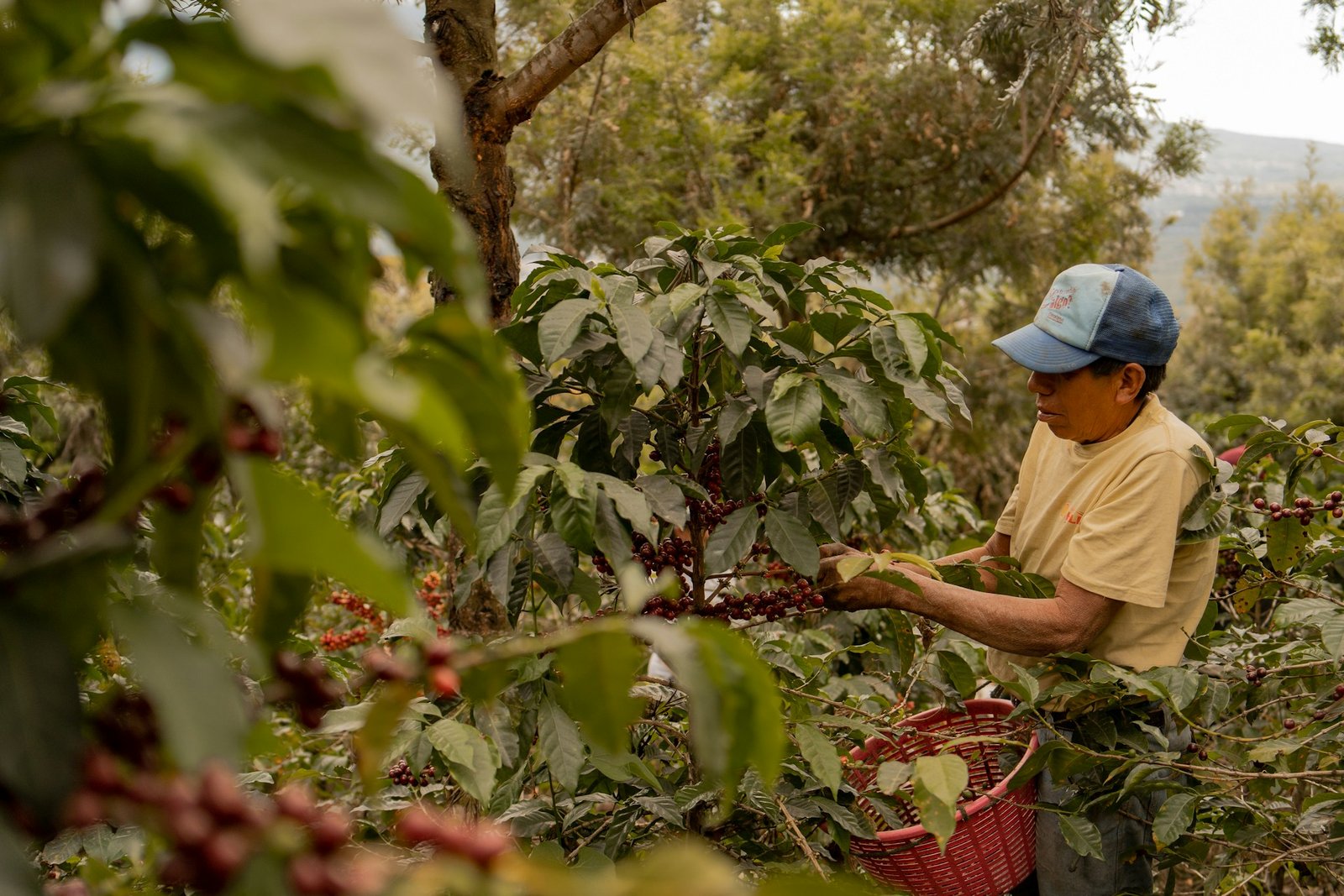
There is a certain kind of traveler who plans their trip around a cup of coffee. Not just any cup , the kind that stops you mid-sip, makes you close your eyes for a second, and quietly reframes what you thought coffee could be. If that sounds familiar, you are not alone. Coffee tourism has grown into one of the most meaningful ways to experience a place: its land, its people, and its history, all distilled into something you can hold in your hands.
Whether you are a seasoned specialty coffee drinker or simply someone who loves a great café, the destinations on this list will give you a new reason to pack your bags. Each one offers something different , a flavor, a ritual, a story. And together, they paint a picture of just how wide and wonderful the world of coffee really is.
Ethiopia: Where It All Began
If coffee has a birthplace, it is Ethiopia. The legend of Kaldi , a goat herder who noticed his animals dancing after eating red berries , may be folklore, but the truth beneath it is real. The southwestern highlands of Ethiopia, particularly the Kaffa and Sidama regions, are where Coffea arabica grows wild in ancient forests that have existed for centuries. Walking through these forests feels less like sightseeing and more like standing at the beginning of something enormous.
But what makes Ethiopia special for coffee tourists is not just history. It is the ceremony. The traditional Ethiopian coffee ceremony, known as “jebena buna,” is one of the most beautiful rituals in coffee culture. Green beans are roasted on a small pan over open flame, ground by hand, brewed in a clay pot, and served across three rounds: abol, tona, and baraka. Each round carries meaning. The third cup is said to bring a blessing. Sitting through this ceremony in someone’s home , or at a traditional café in Addis Ababa , is an experience that no specialty coffee shop, no matter how good, can replicate.
For those who want to go deeper, origin tours through the Yirgacheffe and Guji zones offer an up-close look at how single-origin coffee is grown, processed, and sorted. You will taste coffees with notes of blueberry and jasmine directly at the source, and understand, perhaps for the first time, why terroir matters as much in coffee as it does in wine.
Colombia: More Than Just a Mountain on the Bag
Colombia has been synonymous with quality coffee for decades, but visiting the country reveals a depth of coffee culture that the marketing never quite captures. The Coffee Cultural Landscape, a UNESCO World Heritage Site spanning the departments of Caldas, Risaralda, Quindío, and Valle del Cauca, is the heart of it all. This region, known as the Eje Cafetero or Coffee Axis, is a patchwork of steep green hillsides, colorful farmhouses called fincas, and family-owned coffee operations that have passed their knowledge down for generations.
Salento is one of the most charming towns in this region , small, unhurried, and proud of its coffee. From here, you can visit working fincas, walk through wax palm valleys, and drink tinto (black coffee) at wooden counters while watching the morning mist clear over the mountains. Medellín, meanwhile, has quietly become one of Latin America’s most exciting specialty coffee cities, with a growing number of roasters and cafés that take quality seriously without taking themselves too seriously.
What Colombia offers above all else is warmth. The people who grow coffee here are genuinely happy to share it, explain it, and talk about it for as long as you are willing to listen. That generosity is part of what makes a coffee trip here feel so nourishing.
Japan: Precision, Patience, and Pour-Overs
Japan did not grow coffee, but it might have perfected the art of making it. The Japanese coffee culture that developed in the mid-20th century, rooted in the kissaten (traditional coffee shops) of Tokyo and Osaka, is unlike anything else in the world. These quiet, carefully arranged spaces treated coffee with the same reverence you might find in a tea ceremony. Slow drip, hand grind, exact ratios, total silence. It was radical then, and it remains deeply influential today.
Tokyo’s specialty coffee scene today is one of the most refined on the planet. Neighborhoods like Shimokitazawa and Nakameguro are home to small-batch roasters who source with intention and brew with extraordinary skill. Kyoto, with its older, more contemplative character, suits the pour-over ritual even more naturally. Sitting at a wooden counter in a Kyoto café, watching a barista work a single dripper with the focus of a craftsman, is one of those travel moments you do not forget.
Japan also holds a particular appeal for those who love coffee equipment. The country has produced some of the most respected grinders, kettles, and brewing gear in the industry, and browsing the coffee sections of department stores here feels like visiting a museum of functional design.
Italy: The Original Coffee Culture
Italians did not invent coffee, but they invented the way most of the world drinks it. The espresso, pulled in under 30 seconds and consumed standing at a bar in under a minute, is one of the great contributions of Italian café culture to the world. And while specialty coffee has changed many conversations about quality and origin, there is still something irreplaceable about standing at a marble counter in Naples or Rome, ordering a caffè, and being handed something small, fierce, and perfect.
Naples is considered by many to be the spiritual home of espresso. The city’s water, its roasting traditions, and its café etiquette produce a cup that is dense, syrupy, and intensely satisfying in a way that is difficult to describe but impossible to misunderstand. Trieste, a port city in northeastern Italy with a long history of coffee trade, also holds a special place in Italian coffee culture and rewards those curious enough to visit.
Italy is not about discovery or complexity in the way that specialty coffee destinations are. It is about mastery of a simple thing, done exactly right, every single time. There is a lesson in that worth traveling for.
Vietnam: Bold, Sweet, and Wonderfully Its Own
Vietnamese coffee is not trying to be anything other than exactly what it is, and that confidence is part of its appeal. Ca phe trung (egg coffee) served in Hanoi, ca phe sua da (iced coffee with sweetened condensed milk) sipped on a tiny plastic stool in Ho Chi Minh City, or a slow drip through a phin filter on a rainy afternoon , Vietnamese coffee culture is joyful, inventive, and deeply embedded in daily life.
Hanoi’s Old Quarter is a wonderful place to explore on foot, stopping at small cafés tucked into narrow shophouses. The city also has a growing specialty scene for those who want to explore the other side of Vietnamese coffee, including single-origin robusta and arabica from the Central Highlands grown by a new generation of producers focused on quality and sustainability.
Melbourne, Australia: The City That Takes Coffee Personally
Melbourne’s claim as one of the world’s great coffee cities is not self-promotion. It is backed by decades of serious café culture, rigorous barista training, and a customer base that genuinely knows the difference between good and great. The flat white may have started in Australia and New Zealand, but Melbourne turned it into a city-wide identity. Walking through Fitzroy, Carlton, or the CBD, a great café is never more than a few minutes away, and the standard is remarkably consistent.
What sets Melbourne apart is the culture around coffee knowledge. Customers here ask questions. Baristas are expected to answer them. There is a conversation happening in Melbourne’s cafés that treats coffee as something worth understanding, not just consuming.
The Best Journey Starts With a Great Cup
Coffee tourism is, at its core, about curiosity. It is the desire to understand where something beautiful comes from, who made it possible, and what it feels like to experience it in its natural context. Every destination on this list offers that, just in its own language, with its own rhythm.
You do not need to visit all of them. Start with the one that speaks to you most. Order slowly, ask questions, and let the cup do the rest. The world looks different from the other side of a really good coffee , and that, more than any itinerary, is the whole point of the journey.