
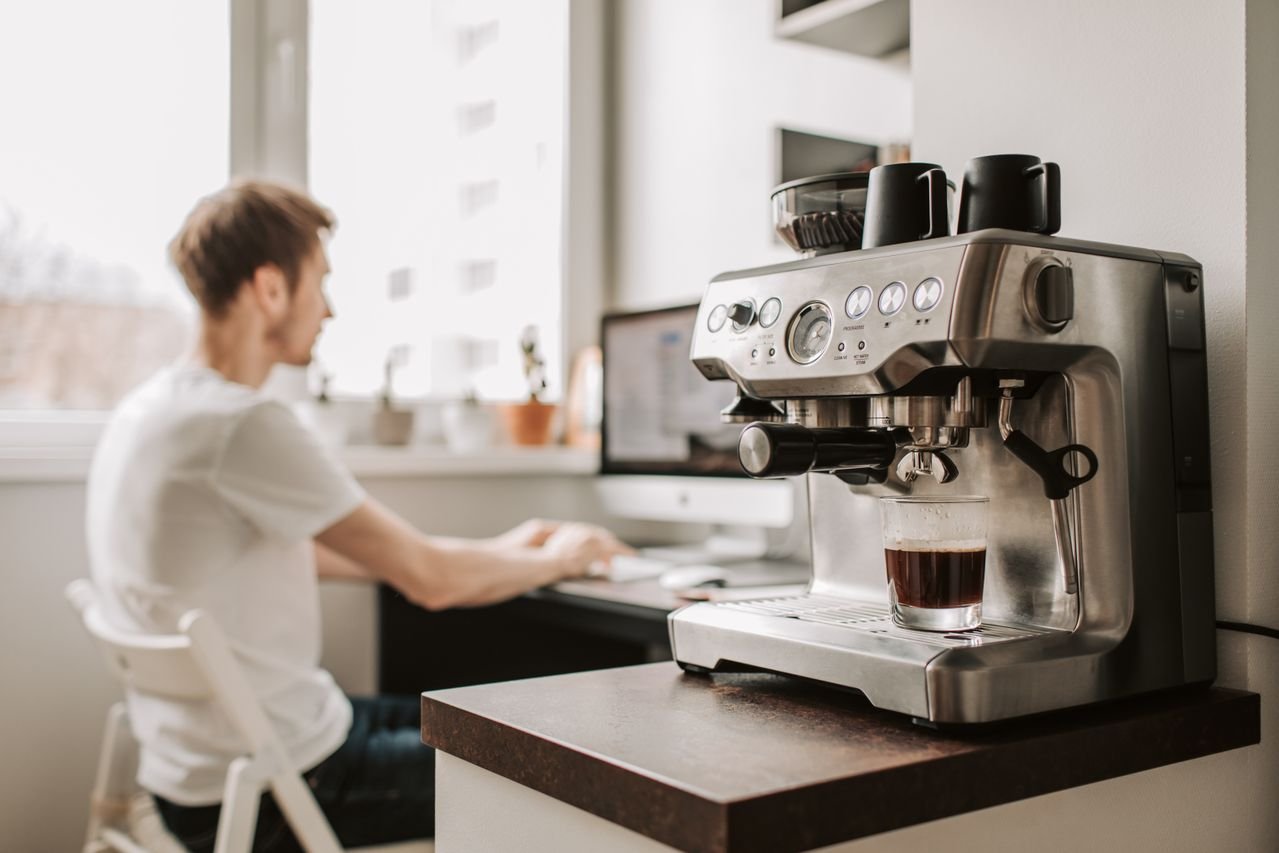
You saved up for it. You researched it for weeks. You finally brought it home, and now every morning starts with a proper shot of espresso pulled right in your own kitchen. A home espresso machine is not just an appliance. For a lot of people, it is a ritual, a small luxury, and a daily investment in something they genuinely love.
So it is completely natural to wonder: how long is this machine actually going to last?
The short answer is anywhere from 5 to 15 years, sometimes longer. But like most things worth knowing, the real answer has a bit more to it.
It Depends on What You Bought
Not all espresso machines are built the same way, and the lifespan of your machine has a lot to do with the category it falls into.
Entry-level machines in the lower price range are often built with plastic components and simpler internal parts. They work well and can last around 5 to 7 years with regular use and basic maintenance. They are a great starting point, but they are not built to survive a decade of heavy daily use.
Mid-range machines tend to use better materials, more durable heating systems, and stronger pumps. With proper care, these can comfortably reach 7 to 10 years. Many home baristas find that this is the sweet spot where quality and longevity meet at a reasonable price.
High-end and prosumer machines are in a different league entirely. Machines from brands like Breville Barista Express, La Marzocco Linea Mini, or Rocket Espresso are built with commercial-grade components. These machines are designed to last well over a decade, and with regular servicing, some of them can keep pulling excellent shots for 15 to 20 years.
The point is simple: the more you invest upfront, the more years you are likely to get back.
What Actually Wears Out First?
Understanding what fails first helps you catch problems early and extend your machine’s life significantly.
The pump is one of the first components to show signs of wear. It works hard every single time you pull a shot, and over time, pressure can drop. You might notice your espresso running too fast, or the crema thinning out. This is often a sign the pump needs attention or replacement.
The group head gasket is a small rubber seal that sits where the portafilter locks in. It takes heat and pressure every day, and it will harden and crack over time. When it does, you will notice water leaking around the portafilter. The good news is that this is one of the cheapest and easiest fixes you can make, and replacing it regularly is a smart habit.
The boiler or thermoblock is the heart of the machine. It heats your water to the right temperature for extraction. Machines with brass or stainless steel boilers tend to outlast those with aluminum ones. Scale buildup is the biggest threat here, which is why descaling is not optional. It is essential.
The solenoid valve in machines with a three-way valve controls water pressure after a shot. It can clog with mineral deposits or simply wear out after years of use.
None of these failures mean the machine is finished. Most can be repaired at a reasonable cost, especially on quality machines where spare parts are still available.
The Single Biggest Factor: How You Take Care of It
Here is the truth that many coffee lovers find out the hard way. A well-maintained mid-range machine will outlast a neglected high-end one.
Maintenance is not complicated, but it does require consistency. Backflushing your machine with a cleaning tablet once a week removes coffee oils that build up inside the group head over time. Descaling every two to three months, depending on your water hardness, protects the boiler from scale deposits that restrict water flow and reduce heating efficiency. Replacing the group head gasket once a year, or whenever it starts to feel stiff, prevents leaks before they happen.
Using filtered or softened water makes a bigger difference than most people expect. Hard water is one of the fastest ways to shorten a machine’s life, because the minerals in it accumulate inside the boiler and pipes. A simple water filter or softener can add years to your machine’s lifespan without any extra effort on your part.
Storing your machine properly matters too. If you live in a place with high humidity, make sure the machine is kept somewhere with good airflow. Moisture inside the machine accelerates wear on electrical components.
Signs Your Machine Might Be Nearing the End
Sometimes a machine gives you clear signals before it gives out completely. If your espresso suddenly tastes different and you have not changed your beans or technique, that is worth investigating. If the machine is taking longer than usual to reach temperature, or if it is leaking from places it did not before, those are signs something inside needs attention.
Before assuming the machine is done, always get a quote from a repair technician. On quality machines, a repair often costs far less than a replacement, and a freshly serviced machine can feel like new. The decision to repair versus replace usually comes down to whether the repair cost is more than half the price of a comparable new machine.
Getting the Most Out of What You Have
Your espresso machine will serve you well for many years if you treat it with a little attention. Clean it regularly. Descale it on schedule. Use good water. And when something goes wrong, do not assume the worst right away.
A home espresso machine is one of those rare appliances that rewards the people who pay attention to it. The more care you put in, the more years of great coffee you get out.
And that first shot of the morning, pulled from a machine you know and trust? That never really gets old.