
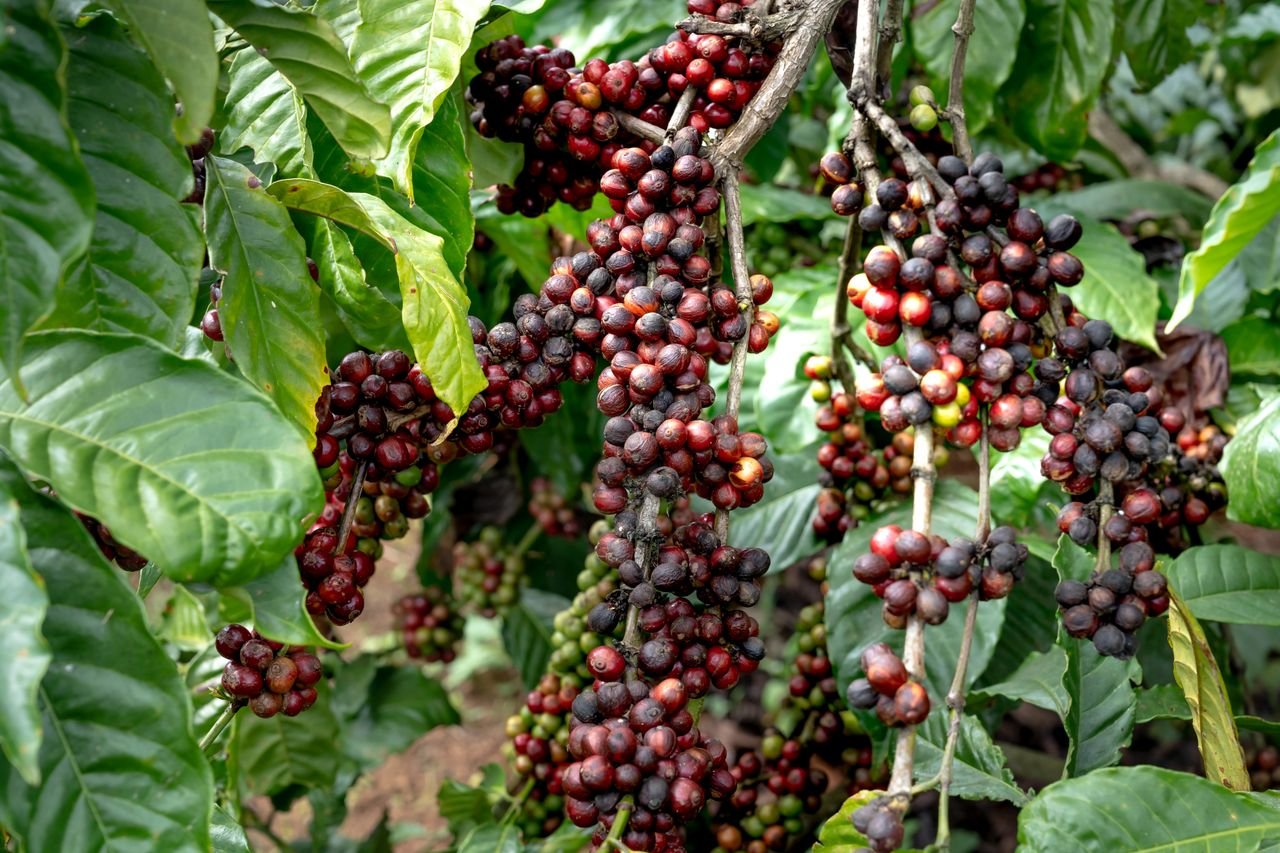
Every cup of coffee you drink has a home. It grew somewhere specific, under a particular sky, in soil shaped by centuries of geology. The altitude mattered. The rainfall mattered. The hands that picked the cherries mattered. All of these details travel quietly with the bean until they land in your cup as flavor, aroma, and feeling.
Most of us don’t think about this on a busy Monday morning. But once you start to understand where coffee comes from and why certain regions produce certain tastes, something shifts. You stop drinking coffee on autopilot and start actually tasting it. That’s a small change with a surprisingly big payoff.
Here’s a grounded, honest look at the world’s most important coffee-growing regions and what makes each one worth knowing.
Ethiopia: The Origin of It All
If coffee has a spiritual home, it is Ethiopia. This is not just a marketing claim. Coffee was discovered here, in the highlands of a region now called Kaffa, and the country has been growing it ever since. Ethiopian farmers still cultivate ancient heirloom varieties that exist nowhere else on earth, and that genetic diversity is a big part of why Ethiopian coffee tastes the way it does.
The two regions most coffee lovers know are Yirgacheffe and Sidama. Yirgacheffe produces some of the most floral, tea-like coffees in the world, with notes of jasmine, bergamot, and stone fruit that can feel almost delicate. Sidama tends to run a little fuller in body while keeping that bright, fruit-forward character. These flavors are not added or engineered. They come naturally from the land and the variety of the bean itself.
Ethiopian coffee is often processed naturally, meaning the whole fruit dries in the sun around the seed before it is removed. This gives the beans extra time to absorb the sweetness of the fruit, which is a big reason why Ethiopian coffees often taste like blueberry jam or dried apricot. If you have never tried a natural-processed Ethiopian coffee, it is genuinely worth the experience. It tastes nothing like what most people expect coffee to be.
Colombia: Reliable, Balanced, and Deeply Rooted
Colombia may be the most recognized coffee origin in the world, and the reputation is well earned. The country sits right in what producers call the “Bean Belt,” the equatorial zone where temperature, humidity, and altitude align perfectly for coffee growing. Colombia also has two harvest seasons per year, which means a steady, consistent supply of fresh beans throughout the calendar.
Colombian coffee is celebrated for its balance. It tends to have a medium body, a clean sweetness, and a gentle acidity that doesn’t challenge the palate too aggressively. Common tasting notes include caramel, milk chocolate, and red fruits like cherry or plum. It’s approachable without being boring, which is part of why it became a global standard.
The regions within Colombia tell more specific stories. Huila and Nariño, both sitting at high altitudes in the south, produce coffees with more complexity and brightness than the national average. Antioquia is known for its consistently smooth, well-rounded cups. If you want a coffee that works well for nearly every brew method and suits nearly every palate, Colombia is a safe and satisfying choice.
Guatemala: Volcanic Depth in Every Sip
Guatemala doesn’t always appear at the top of people’s lists, but it probably should. The country grows coffee in the shadows of active volcanoes, and that volcanic soil is extraordinarily mineral-rich. What the land gives to the bean is depth, a fullness of body and a kind of earthy complexity that you can taste even in a straightforward drip brew.
Antigua is the most famous Guatemalan region, producing coffees with dark chocolate character, a smooth body, and just a trace of smokiness that makes them especially satisfying in the afternoon. Huehuetenango, grown at higher altitudes in the northwest, is a different story altogether: brighter, more fruit-driven, with a lively acidity that brings it closer to African coffees in style. Guatemala is a country that rewards curiosity. The more you explore its regions, the more interesting it becomes.
Sumatra, Indonesia: Bold, Earthy, and Completely Its Own
Sumatran coffee divides opinion, and that’s exactly what makes it interesting. The island’s humid tropical climate and a distinctive local processing method called wet-hulling create a coffee that is heavy in body, low in acidity, and rich with earthy, savory flavors. Cedar, dark tobacco, mushroom, and even a hint of cocoa are all common descriptors. It is not a subtle cup.
For espresso lovers and those who take their coffee with milk, Sumatran beans are a natural match. The bold body holds up well against dairy and creates a rich, lingering finish. For those who prefer lighter, brighter coffees, Sumatra will likely feel like a different beverage entirely. That’s fine. The world of coffee is big enough for both.
Kenya: Precision, Brightness, and a Cup with Character
Kenyan coffee has a reputation for being bold and wine-like, and it earns that reputation honestly. Grown on the fertile slopes around Mount Kenya and in the central highlands, Kenyan beans are processed through a meticulous washed method that produces a clean, vibrant cup with pronounced acidity and distinctive fruit notes. Blackcurrant, tomato, and citrus are all common, and in the best examples, the acidity has an almost electric quality that wakes up the palate.
Kenya also has one of the most rigorous quality grading systems in the world, with a weekly auction process that creates healthy competition among producers and keeps standards consistently high. This structure is part of why Kenyan coffee maintains such a strong global reputation. When you buy a well-sourced Kenyan bag, you’re benefiting from a system built around quality from the ground up.
Yemen: Ancient, Rare, and Worth Seeking Out
Yemen holds a unique place in coffee history. This is where coffee was first cultivated commercially and traded across the world, centuries before the rest of us caught on. The port of Mocha, which lent its name to a flavor we now associate with chocolate, was once the center of the global coffee trade. That history lives on in the cup.
Yemeni coffee is grown on ancient terraced hillsides using farming methods that have changed very little over hundreds of years. The beans are small, irregular, and often processed using old stone mills. The result is a wild, complex, winey cup with a rustic character that feels genuinely handcrafted. Ongoing conflict in the region has made Yemeni coffee increasingly rare and harder to source, but when you find it, the experience is unlike anything else in the coffee world.
So, What Does This Mean for You?
You don’t need to become a coffee expert to benefit from understanding origin. You just need to know what you enjoy and use that as a compass. If you love something sweet and approachable, start with Colombia or Guatemala. If you want something floral and unusual, Ethiopia will surprise you. If bold and grounding is more your speed, Sumatra is ready. If you want brightness and complexity, Kenya or Yemen will deliver.
The best part about exploring coffee by region is that the investment is small. A bag of single-origin beans, a little attention while you brew, and a willingness to notice what you’re tasting. That’s all it takes. The flavors are already there, built into the bean by the soil, the altitude, the farmer, and the process.
Coffee is one of the few things we consume daily that carries this much story. When you know where to look, that story is always worth reading.