
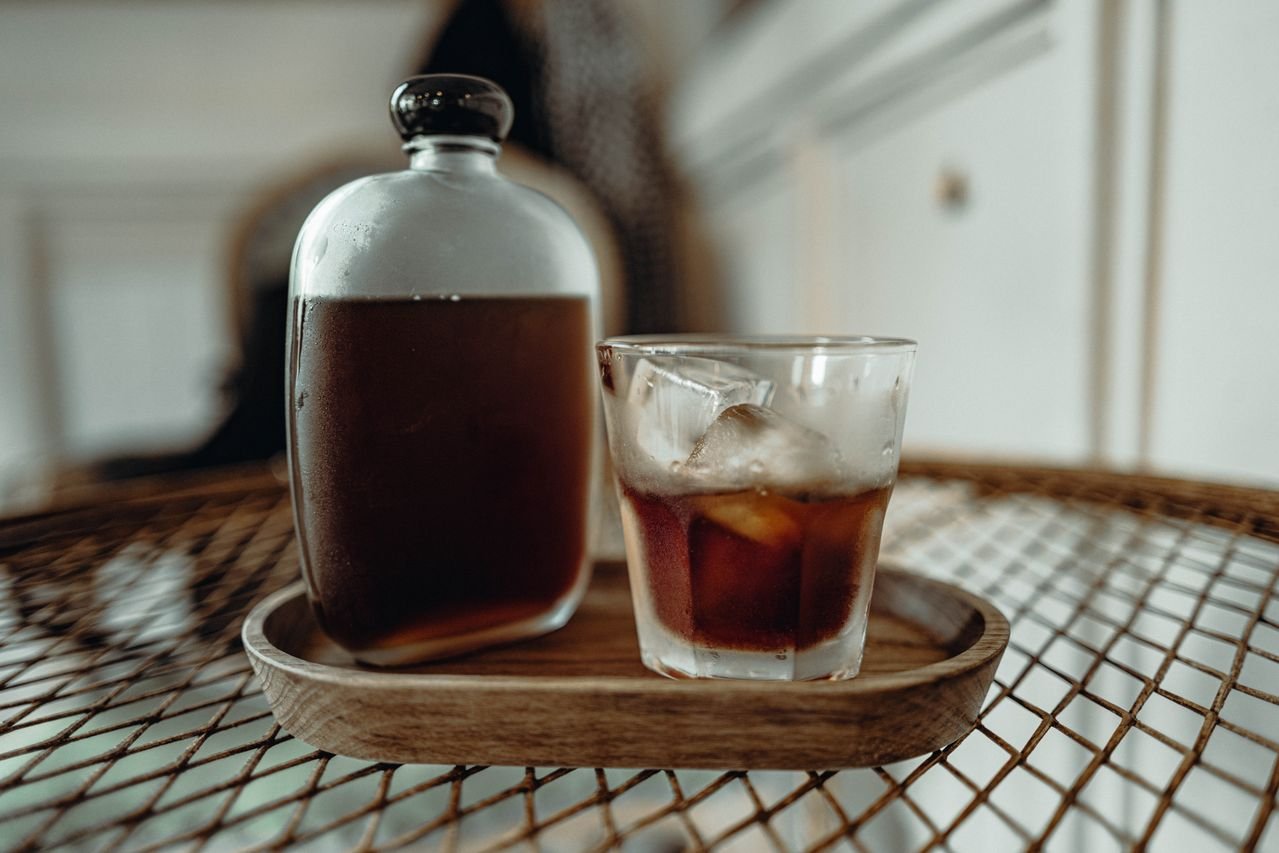
There is something quietly satisfying about opening your fridge in the morning and finding a jar of cold brew you made yourself. No queue at the café. No expensive equipment. Just smooth, rich, deeply flavored coffee that took you about ten minutes to prepare the night before.
Cold brew has a reputation for being a specialty drink, something you pay a premium for at a coffee shop because it feels complicated. The truth is, it is one of the most forgiving brewing methods out there. You do not need a machine, a special filter, or years of barista experience. What you need is good coffee, cold water, time, and a little patience.
Let us walk through everything you need to know to make a genuinely excellent cold brew at home.
Why Cold Brew Tastes Different From Regular Iced Coffee
Before we get into the how, it helps to understand the why. Cold brew and iced coffee are not the same thing, even though they are both served cold.
Iced coffee is brewed hot and then poured over ice. That process is fast, but heat extracts certain compounds in coffee that can taste sharp, bitter, or acidic. When you cool it down quickly over ice, those characteristics stay in the cup.
Cold brew works differently. By steeping coffee grounds in cold or room temperature water for an extended period, you extract the flavor slowly and gently. This slow extraction pulls out the sweeter, more mellow compounds in the coffee while leaving behind a lot of the harsher acids. The result is a cup that tastes naturally smooth, slightly chocolatey, and round rather than sharp.
It is also worth knowing that cold brew concentrate, which is what you will make with this method, is significantly stronger than regular coffee. That strength is intentional. You will dilute it before drinking, which gives you full control over how strong or mild your final cup turns out.
What You Actually Need
The equipment list is refreshingly short. You need a large jar or container (a mason jar works perfectly), a fine mesh strainer or a piece of cheesecloth, and something to store the finished concentrate in. That is genuinely it.
For the coffee itself, choose a medium to coarse grind. If you are grinding at home, set your grinder a few notches coarser than you would for drip coffee. If you are buying pre-ground, look for bags labeled “coarse grind” or “cold brew grind.” The coarser particle size matters because it allows water to move through the grounds properly during steeping and makes filtering much easier afterward.
As for the beans, any coffee you enjoy drinking hot will work well as a cold brew. That said, medium and dark roasts tend to shine here because their natural sweetness and chocolatey, nutty notes come forward beautifully in cold extraction. Single origin beans with fruity or floral notes can also produce something quite special if you enjoy a more complex cup.
The Ratio: Getting It Right
The standard ratio for cold brew concentrate is one part coffee to four parts water by weight. If you do not have a kitchen scale, a practical starting point is roughly one cup of coarsely ground coffee to four cups of cold water. This produces a concentrate that is bold enough to dilute later.
When it is time to drink, mix your concentrate with an equal amount of water or milk. So one part concentrate to one part liquid gives you a well balanced, strong cold brew. Prefer something lighter? Add a little more water. Want something stronger? Use less. The beauty of making your own concentrate is that you get to decide.
Step by Step: The Brewing Process
Start by adding your coarsely ground coffee to a large jar or pitcher. Pour cold, filtered water over the grounds slowly, making sure all the coffee is saturated. Give it a gentle stir to make sure there are no dry pockets of grounds sitting at the top.
Cover the jar loosely with a lid or a piece of plastic wrap and leave it to steep. You have two options here: steep at room temperature for 12 to 14 hours, or steep in the fridge for 18 to 24 hours. Room temperature steeping is faster and tends to produce a slightly bolder flavor. Fridge steeping is slower and often gives you something a little cleaner and more delicate. Both approaches work well. Try each one and see which you prefer.
Once steeping is done, it is time to filter. Place a fine mesh strainer over a clean jar or bowl and pour the cold brew through it slowly. If you find small grounds slipping through, line your strainer with a piece of cheesecloth or even a clean paper coffee filter. The process takes a few minutes, but the wait is worth it. You want your final cold brew to be clear and smooth, not gritty.
Transfer the filtered concentrate to a sealed jar or bottle and store it in the fridge. It will stay fresh and delicious for up to two weeks, though in most households it disappears far sooner than that.
Serving It Well
The simplest and best way to enjoy cold brew at home is over a generous amount of ice, diluted with cold water or milk in a roughly equal ratio. Taste it as you go and adjust to your preference.
If you enjoy a touch of sweetness, simple syrup (equal parts sugar and water, dissolved together) blends into cold coffee far better than granulated sugar, which tends to sink to the bottom. A small amount of vanilla syrup, caramel, or even a pinch of cinnamon can add a nice dimension without overwhelming the coffee.
Oat milk has become a popular pairing for cold brew because its natural sweetness and creamy texture complement the coffee without overpowering it. But full fat dairy, almond milk, or coconut milk all bring something different to the cup. Experimenting here is half the fun.
A Few Things Worth Knowing
If your cold brew tastes too bitter, there are two likely reasons: the grind was too fine, or it steeped for too long. Coarser grounds and a shorter steep will fix this. If it tastes weak or flat, try the opposite. A slightly finer grind or an extra few hours of steeping should bring out more flavor.
Water quality matters more than people expect. Coffee is almost entirely water, so if your tap water tastes off, your cold brew will too. Filtered water consistently produces a cleaner, brighter tasting cup.
And one last thing worth mentioning: cold brew does contain more caffeine than a standard cup of hot coffee, simply because of how concentrated it is. If you are sensitive to caffeine, start with a more generous dilution and see how you feel before adjusting from there.
The Simple Joy of Making It Yourself
There is a kind of quiet pleasure in the cold brew ritual. You set it up the night before, almost without thinking about it, and by the next morning your fridge is stocked with something genuinely good. It costs a fraction of what you would spend at a café, and because you made it yourself, you can tweak every detail until it tastes exactly how you want it.
No machine. No complicated steps. Just coffee, water, and a little time doing its work.
Give it one try this week and see how it goes. Chances are, once you taste a cold brew you made at home, going back to paying five dollars for one at a coffee shop will feel a lot less necessary.