
If you’ve ever stood in a coffee shop or browsed a bag of beans and felt unsure about which roast to pick, you’re not alone. Most people choose based on what sounds right — “dark roast sounds strong, so I’ll take that” — without really knowing what roast level actually does to a coffee. That’s completely fair. The coffee world isn’t always the most welcoming place when it comes to sharing information clearly.
So let’s fix that. Here’s a straightforward look at what roasting actually does, what separates a light roast from a dark one, and how to figure out which one belongs in your cup.
First, What Exactly Is Roasting?
Coffee starts as a green seed, tucked inside the fruit of a coffee plant. On its own, it tastes nothing like the coffee you know. It’s grassy, dense, and raw. Roasting is the transformation that turns those green seeds into the aromatic, complex beans we grind every morning.
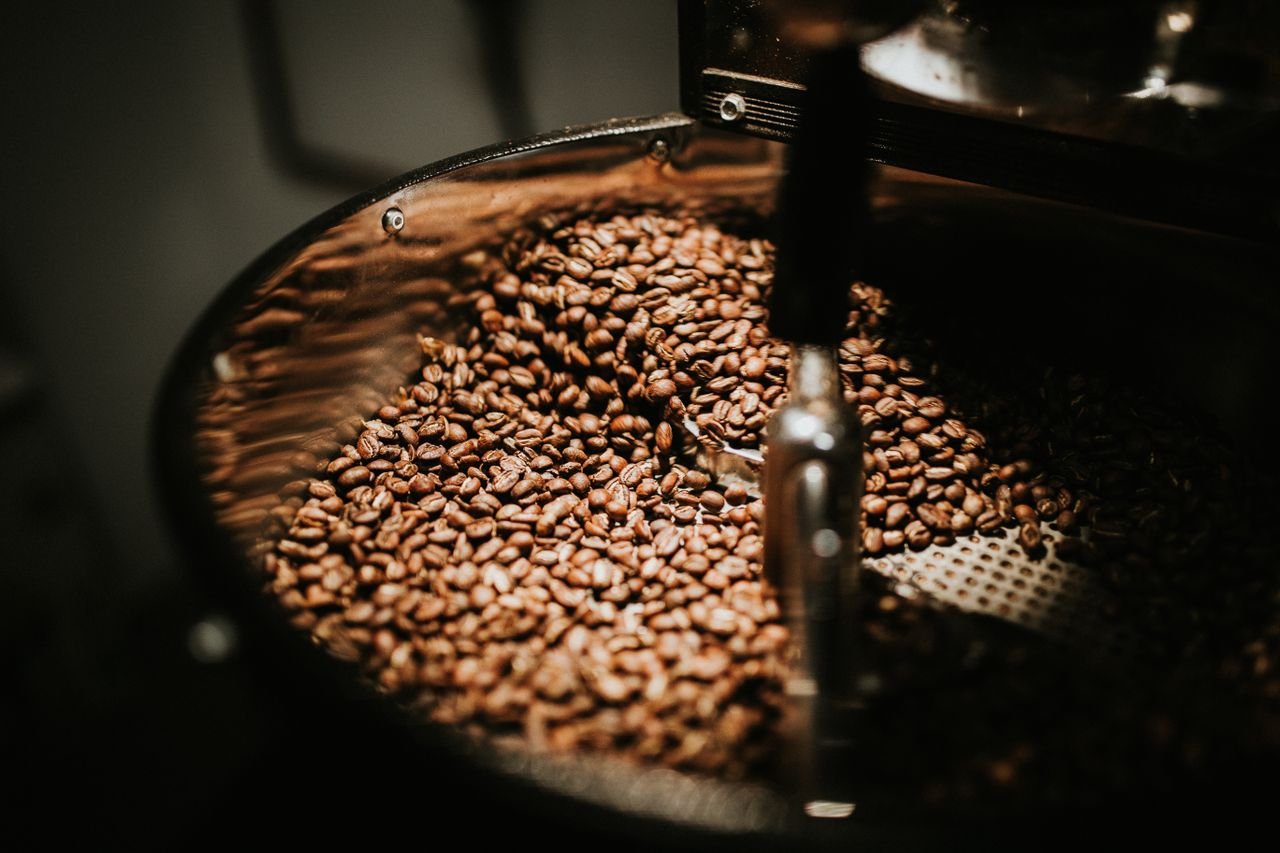
Inside a roasting drum, green beans are exposed to high heat — typically somewhere between 180°C and 240°C — for anywhere between eight to fifteen minutes depending on the desired outcome. As the beans heat up, moisture escapes, sugars caramelize, acids shift and evolve, and hundreds of chemical reactions happen all at once. The result is a bean that’s physically larger, lighter in weight, and completely transformed in flavor.
The longer and hotter the roast, the darker the bean gets. And that simple fact is the root of everything that separates a light roast from a dark one.
Light Roast: The Bean in Its Most Natural State
Light roast beans are pulled from the roaster early, before they get a chance to develop too much color. They tend to look tan or cinnamon brown, sometimes with a slightly uneven surface. You won’t see any oil on the outside of a light roast bean because the internal pressure hasn’t pushed it through the surface yet.
What you will find inside, though, is a lot of the bean’s original character. Light roasting preserves more of the natural compounds from the coffee’s origin — the country it was grown in, the altitude, the soil, the processing method. This is why specialty coffee lovers and third-wave coffee shops tend to gravitate toward lighter roasts. They want to taste the coffee itself, not just the roast.
In terms of flavor, light roasts are often bright and acidic, with fruity, floral, or tea-like qualities. You might notice notes of berries, citrus, or even jasmine in a well-roasted light coffee from the right origin. The body tends to be lighter and the finish cleaner.
One thing worth clearing up right away: lighter does not mean weaker. In fact, light roast beans retain slightly more caffeine than darker ones, because caffeine breaks down a little with extended heat exposure. So if you’re drinking light roast for a stronger kick, you’re actually making a more informed choice than you might realize.
Dark Roast: Bold, Familiar, and Deeply Roasted
Dark roast is what most people picture when they think of coffee. It’s the roast level that defined decades of coffee culture — what you’d find at diners, in classic espresso blends, and behind the counter at chains that built their identity on a big, bold cup.
Dark roast beans spend more time in the roaster, developing a deep brown to near-black color. The surface gets shiny with oil because the prolonged heat pushes the bean’s natural fats outward. When you grind them, the room fills immediately with that familiar smoky, chocolatey scent most people associate with “real” coffee.
Flavor-wise, the extended roasting time burns away much of the original character of the bean and replaces it with roast-forward flavors: dark chocolate, toasted nuts, caramel, smoke, and a satisfying bitterness. The acidity drops significantly, which is actually one reason many people prefer dark roast. For those with sensitive stomachs, a low-acid dark roast can be a gentler option than a bright, zingy light one.
The body is heavier and the texture feels more substantial in the mouth, which is part of why dark roast holds up so well in milk-based drinks. An espresso with a shot of dark roast can cut right through steamed milk and still make its presence known.
The tradeoff? You’re tasting the roast more than the bean. The origin characteristics of the coffee are largely overshadowed by the roasting process itself. A dark roast from Ethiopia and a dark roast from Brazil can taste remarkably similar, because both have been pushed past the point where their original differences shine through.
Medium Roast: The Honest Middle Ground
Medium roast is exactly what it sounds like, and there’s no shame in that. It sits comfortably between the bright, delicate notes of a light roast and the bold, roast-forward character of a dark one. The beans are a warm medium brown, with little to no oil on the surface, and they tend to be balanced in just about every direction — not too sharp, not too heavy, not too bitter, not too light.
This balance is precisely why medium roast is the most widely consumed roast level in the world. It’s approachable. It works well across different brewing methods, tastes consistent from cup to cup, and appeals to the widest range of palates. If you’ve ever poured a cup and thought “this is just good coffee” without overthinking it, there’s a solid chance you were drinking a medium roast.
Medium roasts also preserve some origin character while still developing pleasant roasty sweetness. You get a hint of what makes the bean unique without the roast feeling raw or underdeveloped. It’s a genuinely good choice for everyday brewing, and there’s no reason to feel like you’re settling for less just because you prefer it.
So Which One Should You Choose?
The honest answer is that there’s no universally correct choice. Roast preference is personal, and it often depends as much on your brewing method and daily routine as it does on your palate.
If you enjoy clean, complex flavors and you’re the type of person who likes to explore where coffee comes from, a light roast is worth experimenting with. Brew it as a pour-over or in an AeroPress to let those delicate flavors come through. If you’re adding milk or cream to your coffee anyway, a dark roast will give you the boldness that holds its own in the cup. If you just want a reliable, satisfying coffee that doesn’t demand much from you in the morning, a medium roast is your best everyday companion.
One thing to keep in mind: roast level is only one piece of the puzzle. The quality of the beans, where they were grown, how they were processed, and how freshly they were roasted all matter just as much — sometimes more. A beautifully sourced light roast that was roasted two weeks ago will almost always outperform a dark roast made from low-quality beans, no matter how they’re brewed.
The Takeaway
Light roast highlights the natural character of the coffee: bright, complex, and origin-forward. Dark roast showcases the transformation that heat brings: bold, bitter, and deeply roasted. Medium roast lives in the sweet spot between the two and serves most people well on most mornings.
None of these is superior. They’re just different, and they suit different moments, moods, and methods. The best thing you can do is try all three with good quality beans, pay attention to what you actually enjoy, and go from there. Coffee is too good a thing to drink on autopilot.
If you’re ready to explore, start with a single origin coffee at each roast level and compare them side by side. You’ll learn more about your own taste in one Saturday morning than you might expect.