
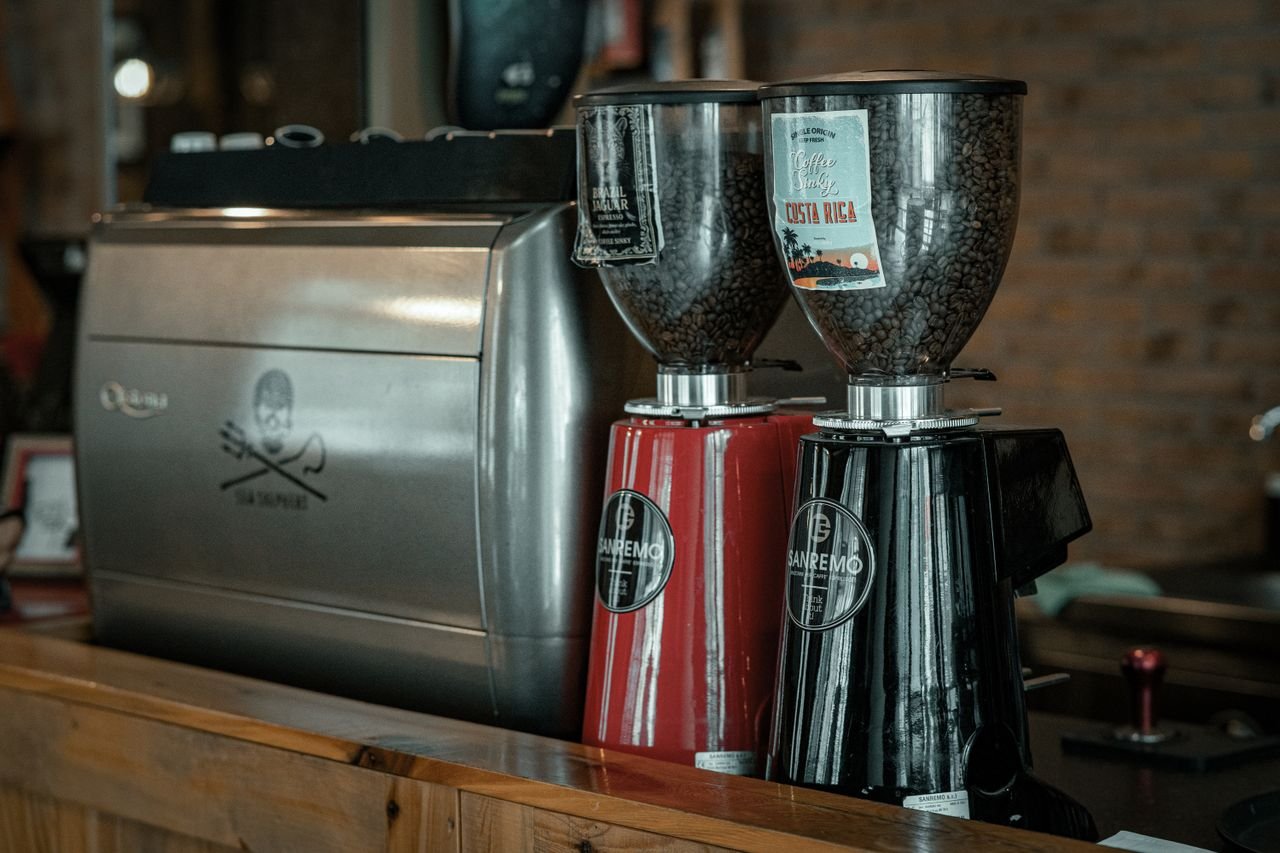
If you have ever brewed a cup of coffee and thought, “something is just off,” chances are your grinder is the culprit. Not your beans. Not your technique. Not even your water temperature. The grind is where great coffee is either made or lost, and learning how to dial it in properly is one of the most rewarding skills you can develop as a home brewer.
This guide will walk you through everything you need to know about dialing in your grinder, written in plain language with no unnecessary complexity. Whether you are using a budget burr grinder or a high-end espresso setup, the principles here apply to you.
What Does “Dialing In” Actually Mean?
Dialing in simply means adjusting your grind size until the coffee you brew tastes the way it should. It is not a one-time task. Every new bag of beans, every change in humidity, and every brew method you try will ask something slightly different from your grinder. Think of it less like a setting you find once and more like a conversation you have with your coffee on a regular basis.
The goal is extraction. When hot water moves through ground coffee, it pulls out compounds that create flavour. Grind too coarse, and the water passes through too quickly, leaving behind the good stuff. You get a thin, sour, and underwhelming cup. Grind too fine, and the water spends too much time in contact with the grounds, pulling out bitter and harsh compounds. The sweet spot is right in the middle, and that is what you are chasing.
Understanding Grind Size and Extraction
Every brew method has a natural home on the grind spectrum. French press and cold brew live at the coarse end. Pour over and drip machines sit comfortably in the medium range. Espresso demands a fine grind, and Turkish coffee goes even finer than that.
Before you start adjusting, it helps to know what under-extracted coffee tastes like versus over-extracted coffee. Under-extraction gives you sourness, a weak body, and a sharp acidity that does not feel pleasant. Over-extraction brings bitterness, dryness, and a hollow, almost papery finish. When your coffee tastes balanced, sweet, and full-bodied with a pleasant lingering finish, you have hit the mark.
A useful way to think about it: sourness tells you to grind finer, bitterness tells you to grind coarser. That simple rule will serve you well as you start experimenting.
The Step-by-Step Process
Start With Fresh Beans
Dialing in with stale coffee is like trying to tune a guitar with broken strings. You will not get accurate feedback. Use beans that were roasted within the last two to four weeks, and make sure they have had at least 48 hours to degas after roasting. Freshly roasted beans release carbon dioxide, and too much of it during brewing can actually interfere with extraction and throw off your results.
Set a Starting Point
Every grinder is different, but most manufacturers include a recommended starting grind size for common brew methods. If yours came with a guide, use it. If not, a good rule of thumb is to aim for a medium setting and adjust from there. For espresso, start at a setting that produces a grind slightly finer than table salt. For pour over, aim for something closer to coarse sea salt.
Use Consistent Measurements
This part is important and often overlooked. You need to keep your dose and your water ratio the same throughout the dialing in process. If you change your coffee amount at the same time as your grind size, you will not know which variable is affecting the taste. A kitchen scale is your best friend here. Weigh both your coffee and your water every single time.
A common starting ratio for most brew methods is 1:15, meaning one gram of coffee to fifteen grams of water. Espresso typically uses a much tighter ratio, often somewhere around 1:2. Stick to your chosen ratio and only adjust the grind size when troubleshooting.
Brew and Taste With Intention
When you take that first sip, try to move past the simple question of “do I like this?” and ask something more specific. Is it sour? Is it bitter? Is there a particular flavour that stands out in a way that feels wrong? Does the finish feel dry, or does it leave something pleasant on your palate? The more specific your feedback, the faster you will arrive at a great result.
Make only one change at a time. Adjust the grind size by one or two steps in the direction your palate is pointing, then brew again. Small, deliberate adjustments will get you to the target much more reliably than big swings.
The Role of Time (For Espresso)
If you are dialing in espresso specifically, shot time becomes a critical piece of feedback. A properly extracted espresso shot should flow in roughly 25 to 30 seconds, though this range can vary depending on your machine, your dose, and the beans you are using. A shot that runs too fast likely means your grind is too coarse. One that stalls or never reaches full volume suggests the grind is too fine.
Taste always takes priority over time, but shot time gives you a helpful indicator before you even pick up the cup. It also helps you understand your machine better, which pays dividends over the long run.
Humidity, Temperature, and Why Your Settings Change
Coffee grounds are surprisingly sensitive to their environment. On a humid day, grounds absorb moisture from the air and can behave as though they are slightly finer than your setting suggests. In a dry climate, the opposite can happen. This is why a grind setting that worked perfectly last week might taste slightly off today.
Seasonal changes are especially noticeable for espresso drinkers. Many experienced home baristas keep a simple log of their grind settings alongside notes on the weather, the bean origin, and the roast date. It sounds meticulous, but even a rough record can save you a lot of frustration when a previously perfect cup suddenly starts tasting flat.
Burr Grinders vs. Blade Grinders
If you are using a blade grinder, dialing in becomes significantly harder because blade grinders do not actually control grind size. They chop coffee unevenly, producing a mix of fine powder and coarse chunks in the same batch. This inconsistency makes it almost impossible to extract coffee evenly, and no amount of technique will fully compensate for it.
A burr grinder, whether flat or conical, crushes beans between two abrasive surfaces and produces a far more uniform particle size. This consistency is what allows dialing in to actually work. If you are serious about improving your coffee, upgrading to even an entry-level burr grinder is the single most impactful change you can make.
A Few Honest Truths About the Process
Dialing in takes patience. Your first few attempts will not be perfect, and that is completely fine. Every experienced coffee lover has had their fair share of sour shots and bitter brews. What separates someone who genuinely improves from someone who stays frustrated is the willingness to be curious rather than discouraged when something does not taste right.
It also helps to accept that there is rarely one “correct” answer. Different people have different palates, and the grind that tastes ideal to you might not match what someone else prefers. Recipes and guides, including this one, give you a framework. Your own taste buds give you the final verdict.
And finally, the process itself is part of the pleasure. There is something quietly satisfying about understanding your equipment well enough to coax a genuinely great cup out of it. That level of familiarity comes with time, repetition, and a healthy dose of curiosity.
Quick Reference: What Your Coffee Is Telling You
If your coffee tastes sour or sharp, try grinding finer or extending your brew time. If it tastes bitter or harsh, try grinding coarser or shortening your brew time. If the body feels thin and watery, consider grinding finer or increasing your coffee dose slightly. If the finish feels dry and astringent, ease back on the extraction by going coarser. And if it tastes balanced, sweet, and satisfying, write down exactly what you did, because you have just found your dial-in.
The Bottom Line
Dialing in your grinder is not complicated, but it does require attention and a willingness to slow down. It asks you to treat each brew as a small experiment rather than just a caffeine delivery system. Once you start approaching it that way, the improvement in your cup quality will be noticeable, and so will the enjoyment you get from the whole process.
Your grinder is doing more work than you might realise. Give it the attention it deserves, and it will reward you with consistently better coffee, every single morning.